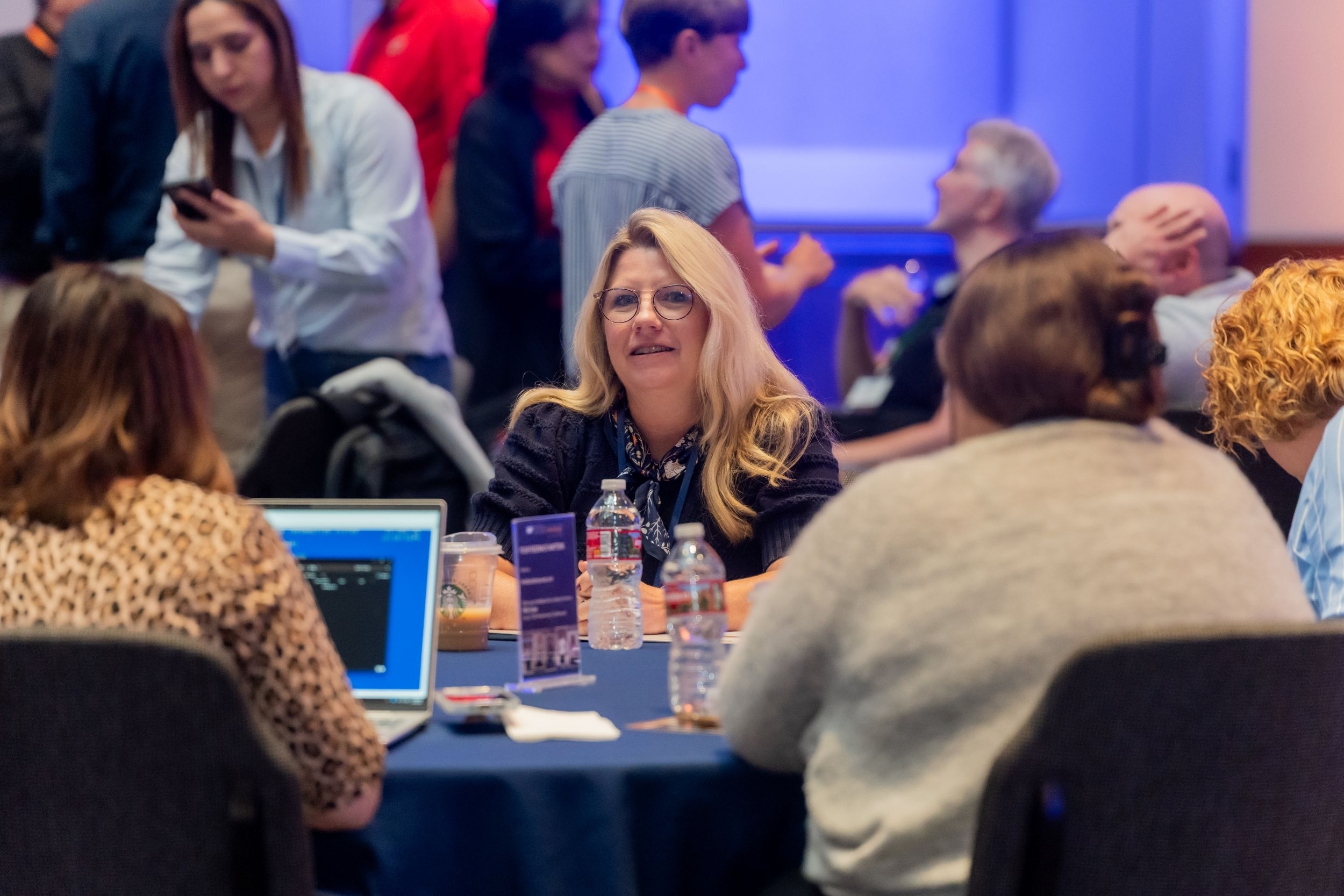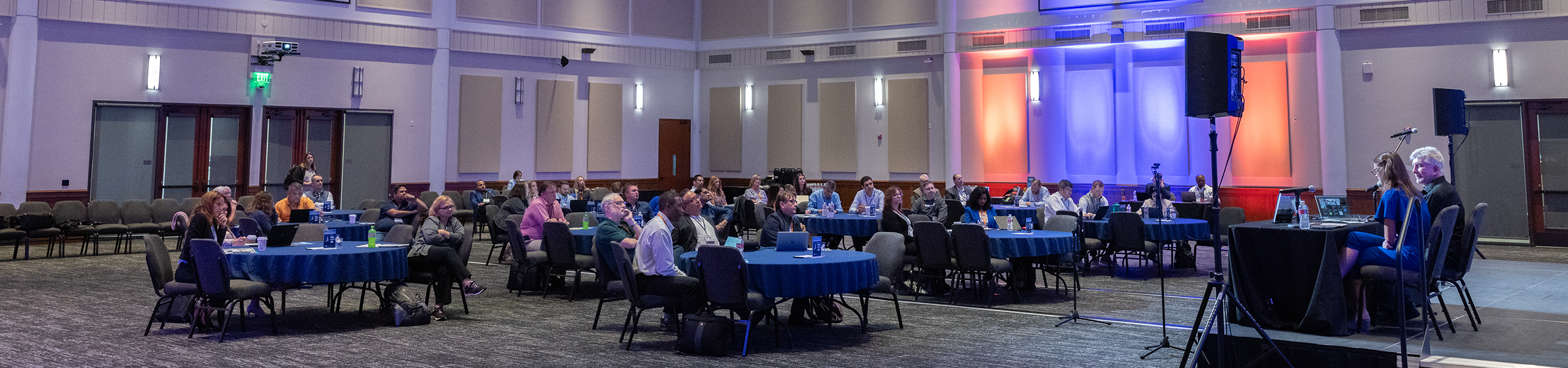
For three days in San Diego, SAP Controlling professionals came together to do what this conference has always been about: learn from experts, bring real-world challenges into the room, exchange ideas, ask questions and learn from each other.
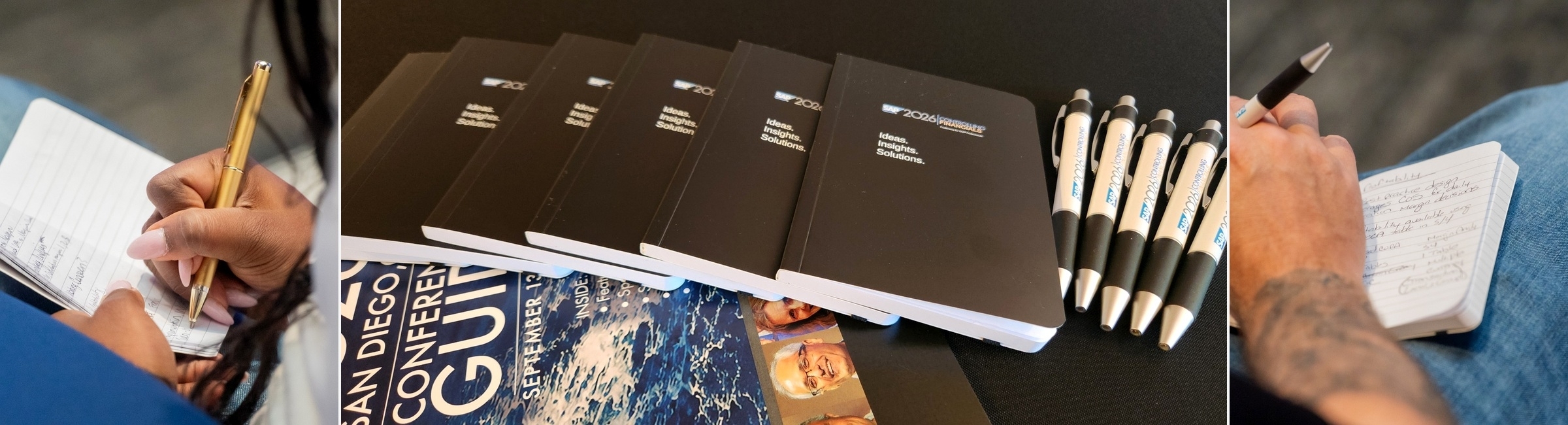
SAP Controlling 2026 brought together attendees, speakers and SAP product owners for three packed days covering everything from SAP S/4HANA, Product Costing, Material Ledger, Margin Analysis, Universal Parallel Accounting, Event-Based Production Accounting, reporting, automation, Joule, and AI.
But some of the best moments weren't on the agenda at all.
They happened when a question turned into a conversation. When experts offered different approaches to the same problem. Over lunch with a speaker. Between sessions. Or at the end of a presentation when nobody seemed quite ready to leave.
Here’s a look back at SAP Controlling 2026
Sunday: We Started with Standing Room Only
We call Sunday our Pre-Conference Day, but there wasn't much “pre” about it.
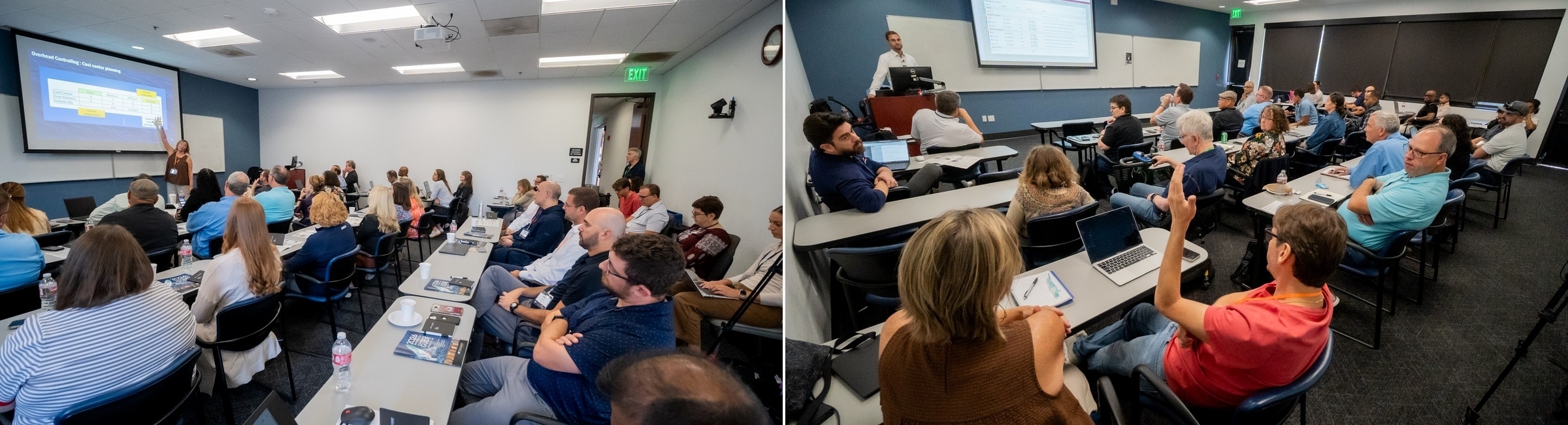
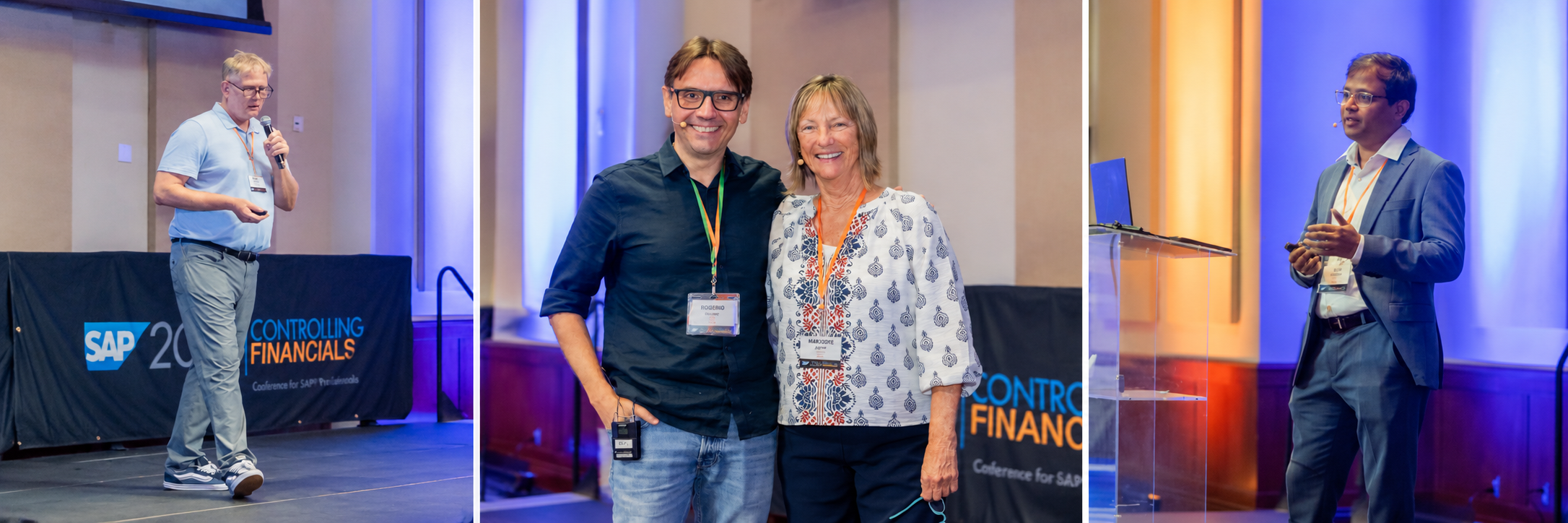
The morning began with two deep-dive sessions. Ashish Sampat took attendees into SAP S/4HANA Controlling, while Marjorie Wright's Intro to Controlling for Manufacturing Organizations filled the room with additional chairs needed as attendees kept coming in.
The afternoon brought something completely different.
SAP Product Owner Marvin Fuehrer skipped the slides altogether and worked live inside SAP, giving attendees a firsthand look at the new Material Cost Estimates app. Attendees weren't simply watching a presentation about a new SAP tool—they were seeing it in action and had the opportunity to provide feedback directly to SAP.
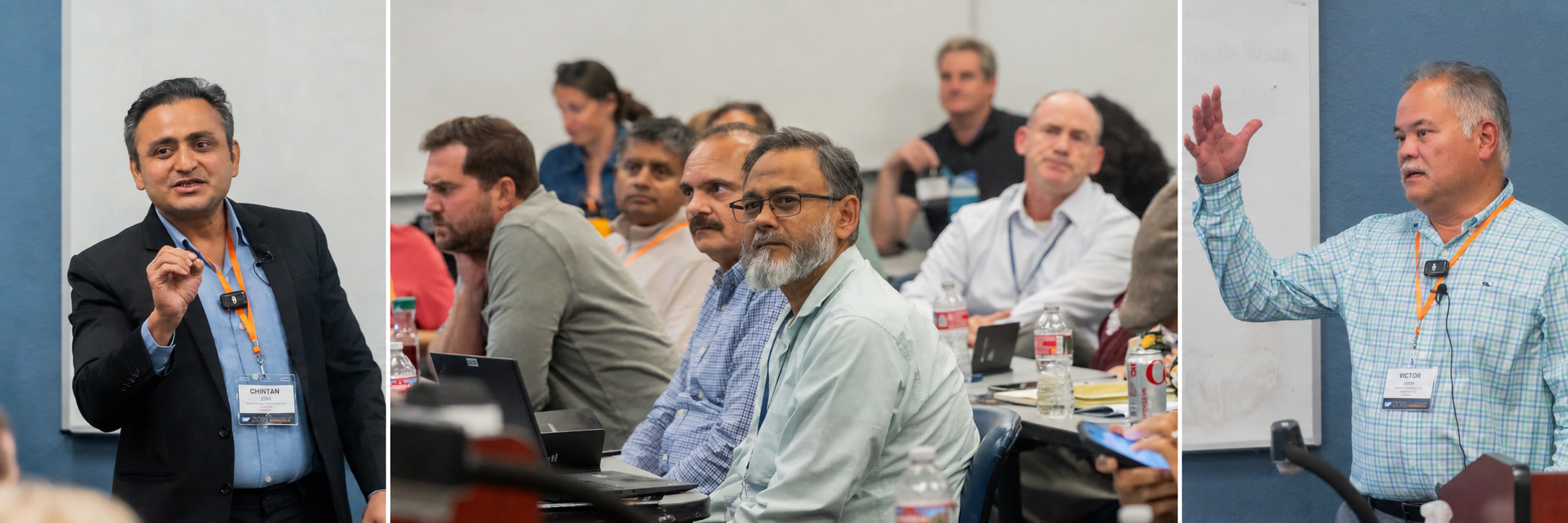
Meanwhile, Sunday offered plenty more to explore, from Orpheus Birch on modern financial consolidation with SAP Group Reporting to Chintan Joshi on intelligent automation for the financial close and Victor Sison on sales reporting with SAP Margin Analysis.
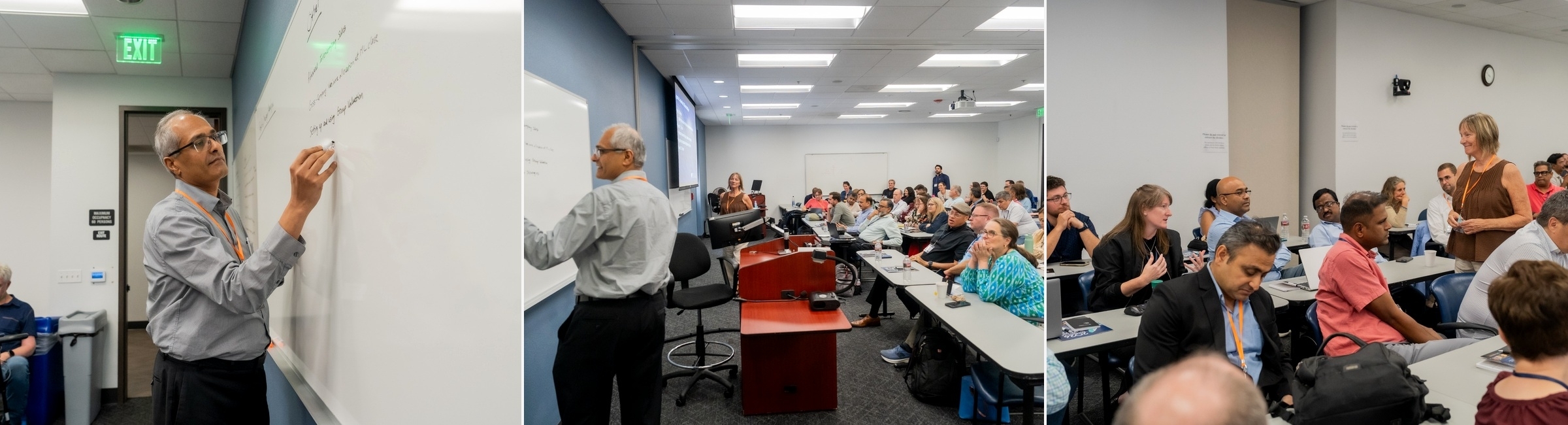
And then came a conference favorite: the Participant-Driven Workshop.
There was no predetermined presentation to follow. Instead, attendees brought their own questions and real-world SAP challenges into the room. The discussion went wherever those questions took it, with experts and participants comparing approaches, challenging ideas and working through problems together. Sometimes the most valuable topic at a conference is the one an attendee walked into the room needing help with.
“The participant-led session is always my favorite.”
— Michael Bullman
Monday: From AI to the Heart of Controlling
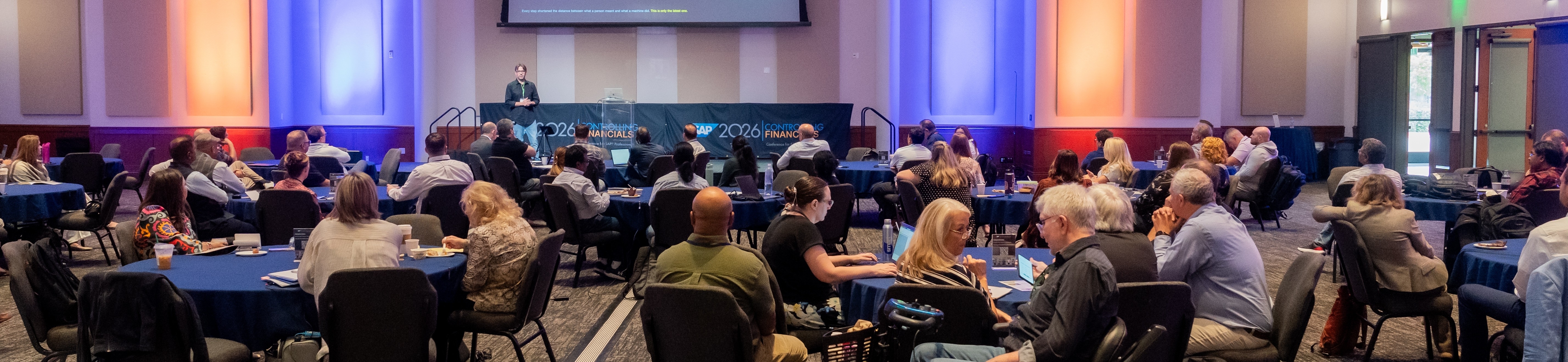
Monday morning started by looking toward something many of us are still figuring out: how AI fits into our actual working lives. Rogerio Faleiros opened the main conference with Beyond the Search Bar: How AI Became My Co-Worker, in SAP and in Life. Rather than treating AI as something abstract or futuristic, the keynote brought the conversation down to a practical level—how these tools are already changing the way we research, communicate, solve problems and work with SAP.
From AI, we moved straight into one of the major changes happening inside SAP Controlling.
Janet Salmon's featured session on Event-Based Production Accounting explored how S/4HANA is changing when, and how many Controlling processes happen, moving more activity toward the business event rather than waiting for period-end.
And the learning didn't slow down from there.
Across the day, attendees moved between Margin Analysis, Fiori reporting, Product Costing, Universal Component Breakdown, transfer pricing, Service Cost Accounting and Joule.
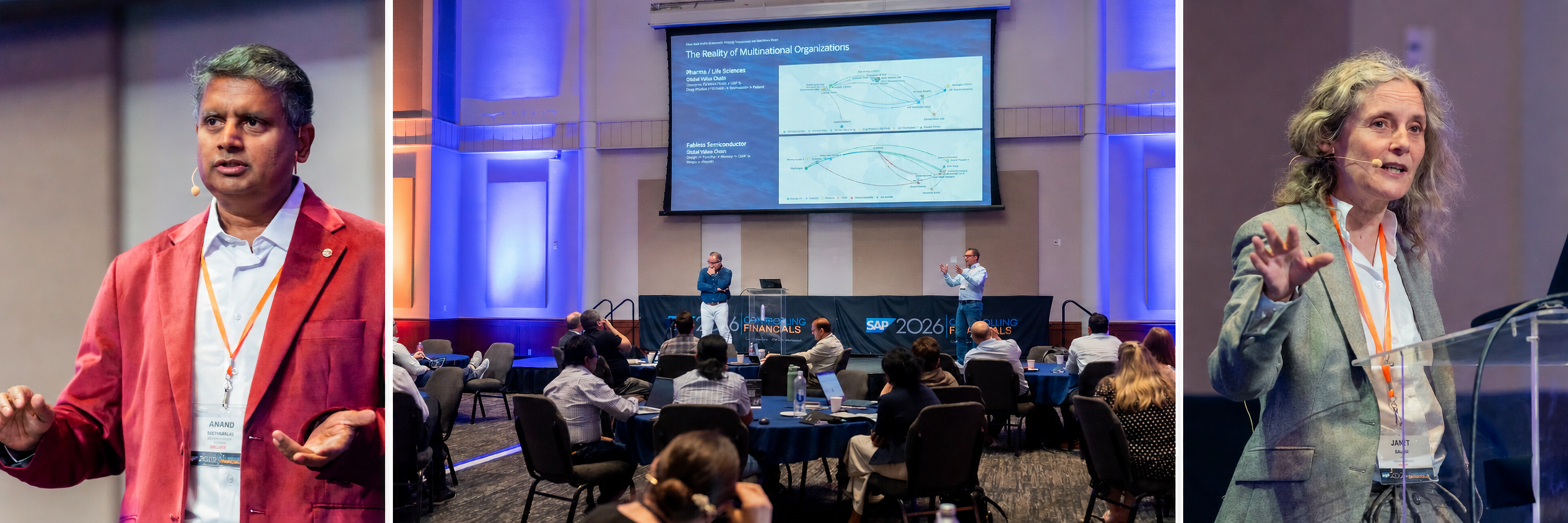
Jerson Hurtado and Steffen Koeck of EXA AG brought another perspective to the program, sharing practical insight from their work in SAP Finance and Controlling. Anand Seetharaju explored the path from costing-based CO-PA to Margin Analysis. Jacqueline Ogburn and Tara McQuiston shared Fiori reporting gems for Finance and Controlling. Marvin Fuhrer returned to explore innovation in Product Cost Controlling and Universal Component Breakdown. Paul Ovigele tackled transfer pricing without group valuation. Marjorie Wright and Rogerio Faleiros went into the “DNA” of Product Costing, Surajit Mohanty explored Service Cost Accounting, and Orpheus Birch closed out the day's sessions by demystifying SAP Joule for Controllers.
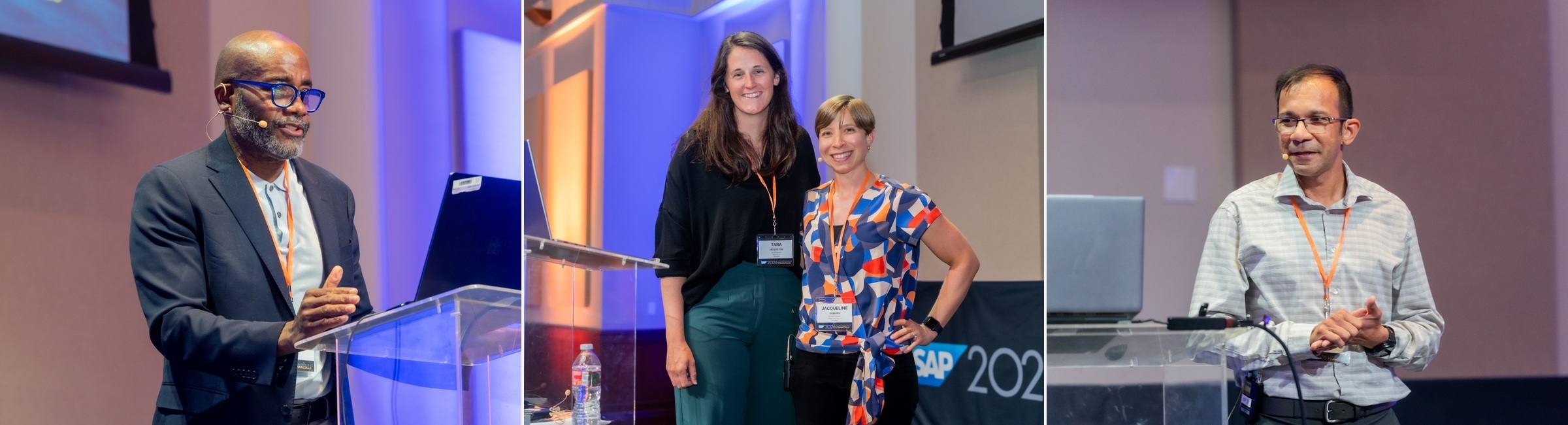
It was a lot of SAP in one day. And that was exactly the idea.
“The real-life problem solving is absolutely invaluable!”
— Tammy Lawrence
One of the advantages of having this many experienced SAP professionals together isn't that everyone always has the same answer. Quite the opposite. Some of the most interesting moments happen when experts compare experiences, challenge an approach or offer another way of looking at the same problem.
And Then We Put SAP Away for a Little While.
After a full day of sessions, it was time for the Welcome Reception.
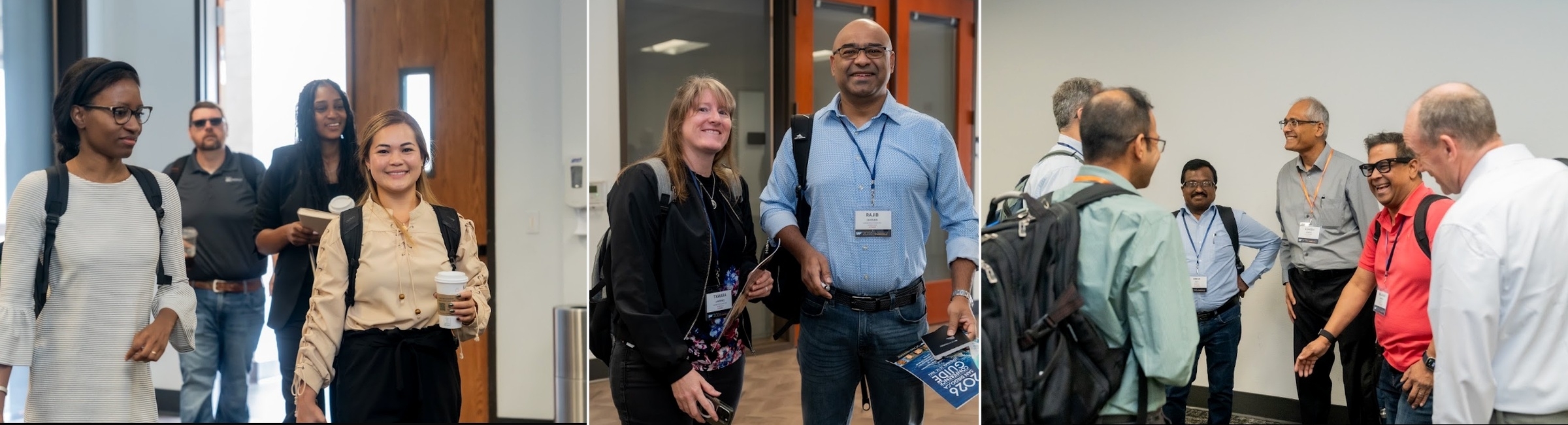
The reception gave everyone a chance to continue conversations without a presentation screen in front of them; to catch up with people they already knew, meet someone new, find the speaker whose session prompted another question, and simply spend some time together.
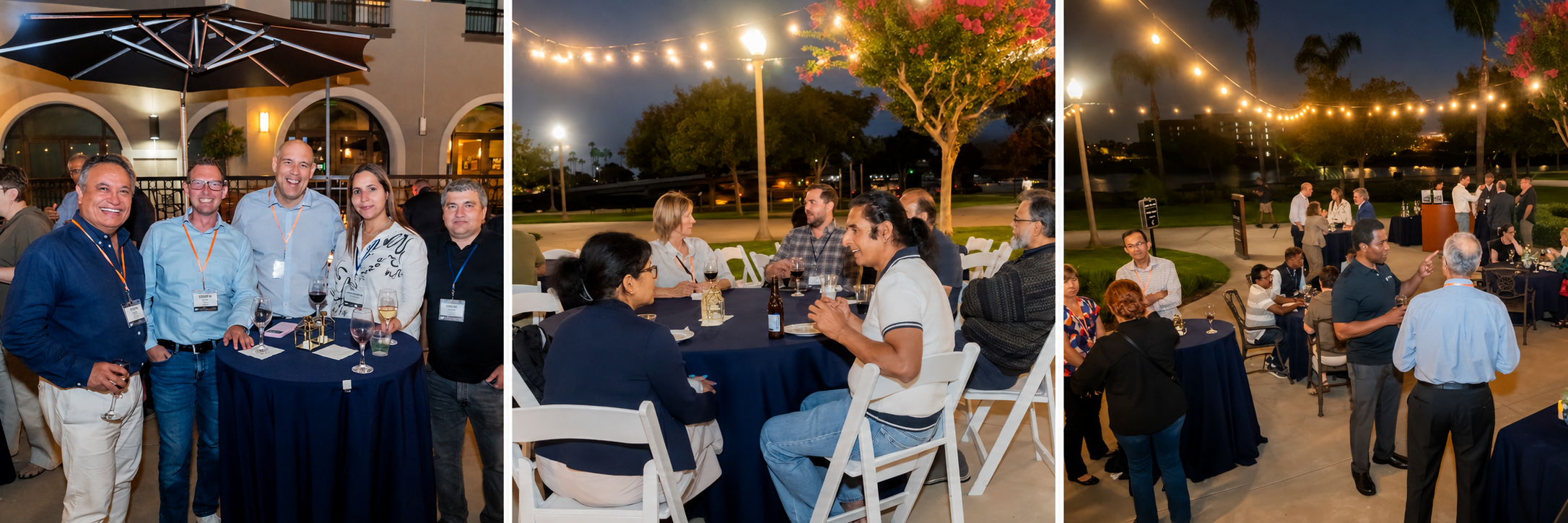
For a conference intentionally kept small enough for meaningful interaction, those conversations aren't something that happens around the conference. They are part of the conference.
“The smaller format provided a great opportunity for more meaningful conversations.”
— Stacey Girdaukas
Tuesday: Still Plenty Left to Talk About
Tuesday morning began with Paul Ovigele and Streamlining Organizational Changes in S/4HANA, looking at how organizations can better manage structural changes in an increasingly complex SAP environment.
From there, the day moved through another wide range of topics.
Marvin Fuhrer explored best practices for ledger and currency setup in S/4HANA. Jerson Hurtado and Carlos Parisca brought Embedded Analytics to life through the Costing Dashboard. And Ashish Sampat returned to one of the foundations of SAP Controlling with a deep dive into Cost Center Accounting.
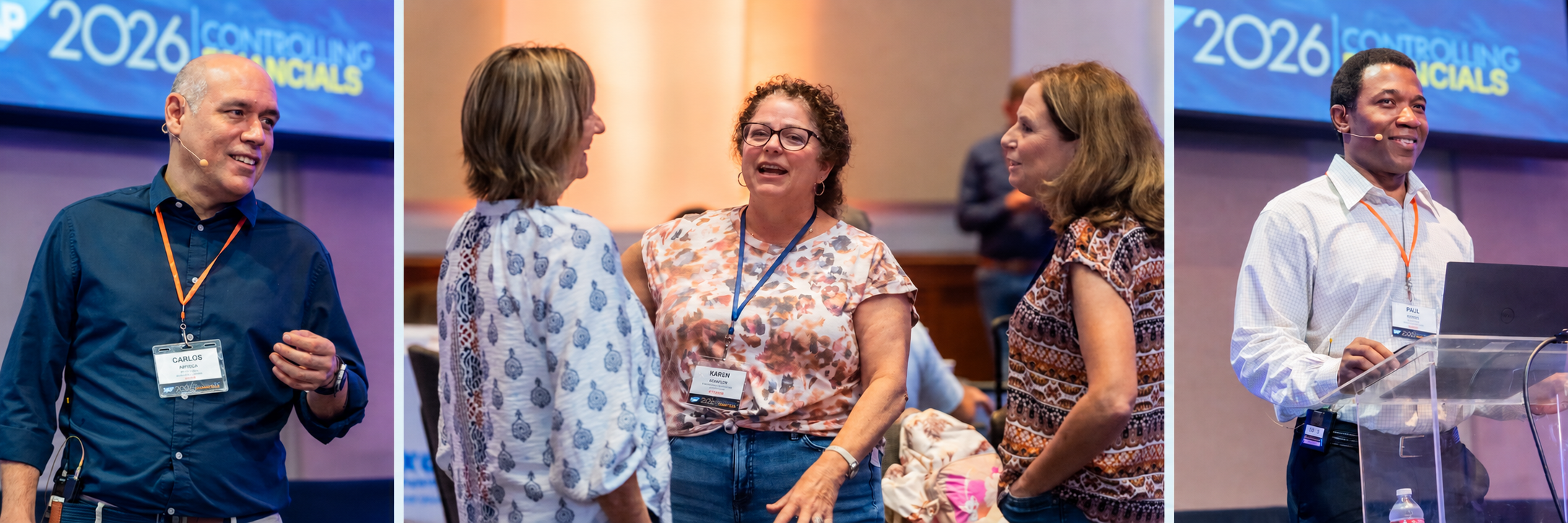
Janet Salmon returned to explore Group and Profit Center Valuation in Universal Parallel Accounting, while Raghu Ram Thatavarthy demonstrated how Situation Handling and Joule can bring automation into Finance operations. Marjorie Wright and Rogerio Faleiros took attendees into the heart of Material Ledger, while Richard Russmann explored absorption, variances and the numbers behind Product Costing.
Different topics. Different perspectives. Different SAP journeys. But throughout the three days, the questions kept coming back to something remarkably simple:
How do we make SAP work better in the real world?
One Last Conversation
We didn't want SAP Controlling 2026 to end with everyone simply closing their laptops after the final presentation, so we finished the way we spent much of the conference:
Asking questions. Sharing perspectives.
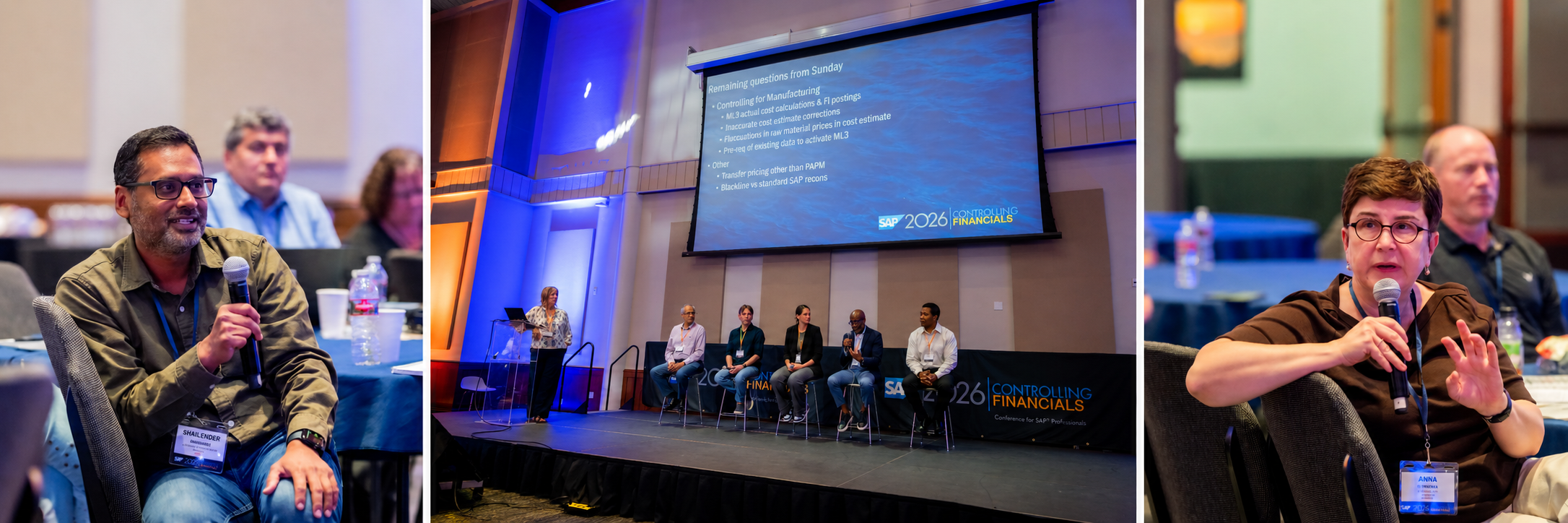
The Final Takeaways Expert Panel & Q&A, hosted by ERPfixers, brought experts back together to revisit questions and themes that had surfaced throughout the conference.
Attendees could bring back an unanswered question, dig further into something they'd heard in a session, compare perspectives—or squeeze in one last question before everyone headed home.
And perhaps that is the best way to describe what makes SAP Controlling different. Yes, people come for the technical knowledge. They come to understand what's changing in S/4HANA. To learn from people who have solved the problems they're facing. To hear directly from SAP product owners and experts shaping the products they use.
But they also come to ask questions.
To compare notes.
To challenge an idea.
To meet the person sitting at the next table.
And sometimes, to discover that someone else has already struggled with exactly the same SAP problem they've been trying to solve.
“That sense of community is what makes these conferences especially meaningful.”
— Shailender Dhanasree
Thank You, SAP Controlling Community
To our attendees, speakers, SAP representatives, sponsors, partners and volunteers: thank you for making SAP Controlling 2026 what it was.
Thank you for sharing your expertise. Thank you for asking difficult questions. Thank you for offering answers. Thank you for introducing yourself to someone new, continuing conversations after sessions ended and bringing your own experience into the room.
Next year marks a very special milestone: 15 years of the SAP Controlling Conference.
Over those 15 years, SAP has changed. Technology has changed. The topics we discuss have changed. Some familiar faces have been with us for years, while every conference brings new people and new ideas into the room.
But the reason we keep coming together hasn't changed and we can't wait to see where the conversation takes us next.
Join Us for SAP Controlling 2027
Built on Knowledge.
Powered by Community.
Celebrating 15 Years of Ideas Shared and Connections Made.